What is Muscle tone?
You can download the full SUNRISE MEDICAL educational resource in a PDF printable format.
What Muscle Tone Is — And Why It Matters in Mobility
Muscle tone refers to the natural tension or “readiness” your muscles have even when you’re relaxed. It’s this baseline level of tension that helps your body hold posture, balance, and support movement. Without normal muscle tone, it’s hard to stay upright or perform everyday tasks comfortably.
Normal Muscle Tone
In a healthy nervous system, muscles always have a small amount of tension that helps maintain posture against gravity and allows you to move when needed. This balanced tension lets you sit, stand, or shift your position without tiring too quickly.
Low Muscle Tone (Hypotonia)
When muscle tone is lower than usual, the body feels floppy and weak. Someone with low tone may have:
-
reduced ability to hold themselves upright
-
difficulty keeping steady posture
-
muscles that feel loose or “soft” when moved passively
Low tone can occur due to neurological conditions like spinal cord injury or developmental disorders. In people who use wheelchairs, low tone often means more supportive seating and positioning is needed to help maintain posture and stability.
High Muscle Tone (Hypertonia)
When muscle tone is higher than normal, muscles feel stiffer and more resistant to movement. This can make joints harder to move and affect how someone sits, stands, or propels a wheelchair. There are different forms of elevated muscle tone:
-
Spasticity: tone increases when a limb is moved quickly — common in conditions like cerebral palsy.
-
Rigid hypertonia: muscles resist movement no matter how slowly a limb is moved — as seen in some brain injuries or Parkinson’s disease.
High tone can affect everyday activities and may require specific positioning support, therapeutic management, or adaptive equipment.
How Muscle Tone Affects Seating & Wheelchair Use
Altered muscle tone — whether too high or too low — changes how a person interacts with a wheelchair. It affects posture, pressure distribution, balance, and comfort. For example:
-
A person with low tone may slump forward without support and benefit from deeper cushions or lateral supports.
-
A person with high tone may have tight muscles that pull joints into bends or curves, requiring strategic positioning and support to maintain alignment and prevent discomfort.
In both cases, therapists and wheelchair specialists use muscle tone assessments to choose the right seating, positioning accessories, and adjustments so the user can sit more comfortably, functionally, and safely.
In Short
-
Muscle tone is the baseline tension in muscles that helps with posture and movement.
-
Low tone (hypotonia) can make muscles feel floppy and position control harder.
-
High tone (hypertonia) makes muscles stiff and resistant to movement.
-
Understanding tone is key in selecting the proper seating, wheelchair setup, and support for comfort and mobility.
QUICKIE IRIS
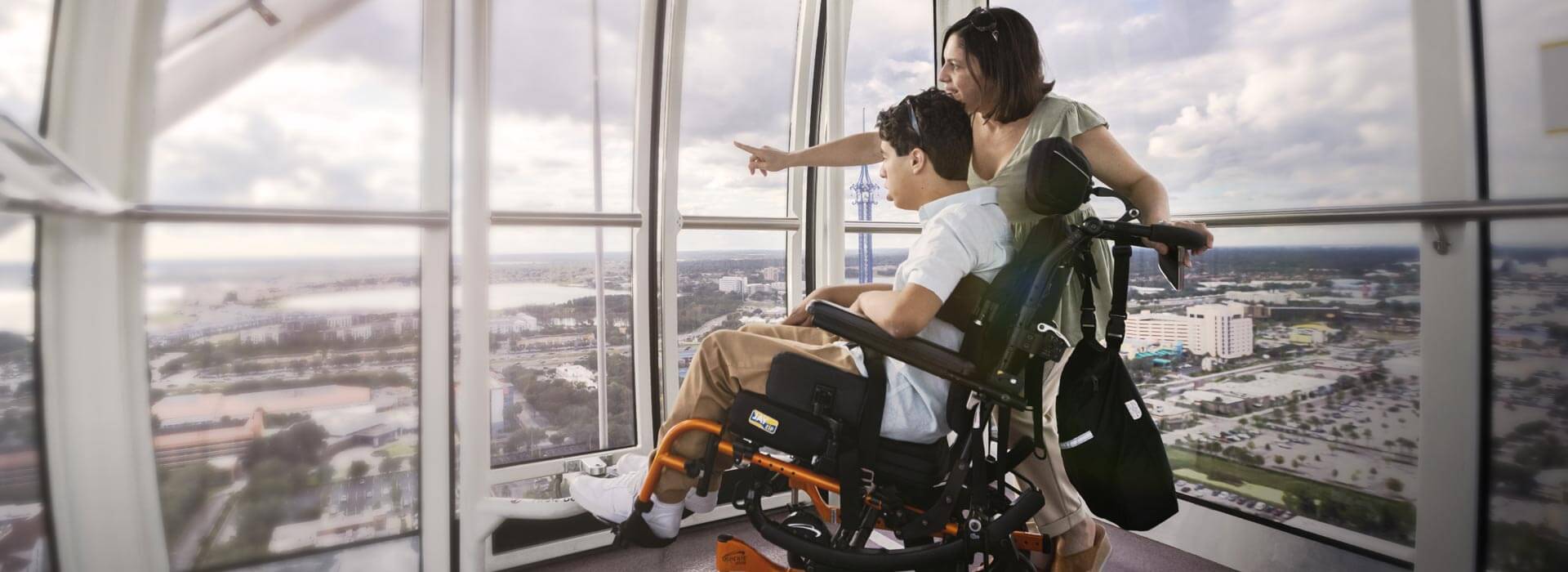
QUICKIE's tilt-in-space wheelchairs help to facilitate feeding and respiratory function, reduce pressure beneath the pelvis, and improve visual alignment by holding the head upright.
Positioning Wheelchair
Rotation in Space
The ultimate tilt-in-space wheelchair. With 55° of Intelligent Rotation in Space Technology. Helps to facilitate feeding and respiratory function, reduce pressure beneath the pelvis, and improve visual alignment by holding the head upright.

8 Key Clinical Benefits of Tilt
Tilting in space isn’t just about comfort — it’s a clinically beneficial feature
-
Provides changes in position for clients who cannot weight shift independently.
-
Provides changes in position for clients who cannot maintain pelvic, thoracic, or head position and/or balance against gravity for prolonged periods of time.
-
Provides appropriate position for clients who are at risk for respiratory complications.
-
Provides appropriate position for clients who are at risk for digestive complications.
-
Provides appropriate position for clients who are at risk for postural hypotension.
-
Provides appropriate position for clients who are at risk for autonomic dysreflexia.
-
Provides a change in position while minimizing the risk of extensor spasticity.
-
Provides a change in position without the risk of shear forces.
Making Life Easier ...
At Home Mobility, we provide solutions to every day Mobility problems in and outside home.
Our goal is to improve the quality of life of our Customers. We make sure to give you a solution tailored to your specific needs.
Our products are designed to promote independent lifestyles; They are carefully selected from reputed brands & meet the highest safety standards.
... That's What We Do!